Revolutionizing Vision: Are Autofocus Glasses with Bifocals the Future?
Revolutionizing Vision: Are Autofocus Glasses with Bifocals the Future?
Struggling to read your phone in the bright sun while still needing to see clearly in the distance? This common challenge of presbyopia has long been addressed by traditional multifocal lenses, but today’s solutions offer far more style and convenience. We explore the evolution of vision correction, and for those seeking an immediate and stylish upgrade, these glasses with bifocals cleverly integrated into retro polarized sunglasses provide the perfect blend of UV protection and reading clarity. As you explore your options, understanding the full range of glasses with bifocals available will help you find the perfect match for your visual needs.
【The Enduring Challenge of Age-Related Vision Loss】
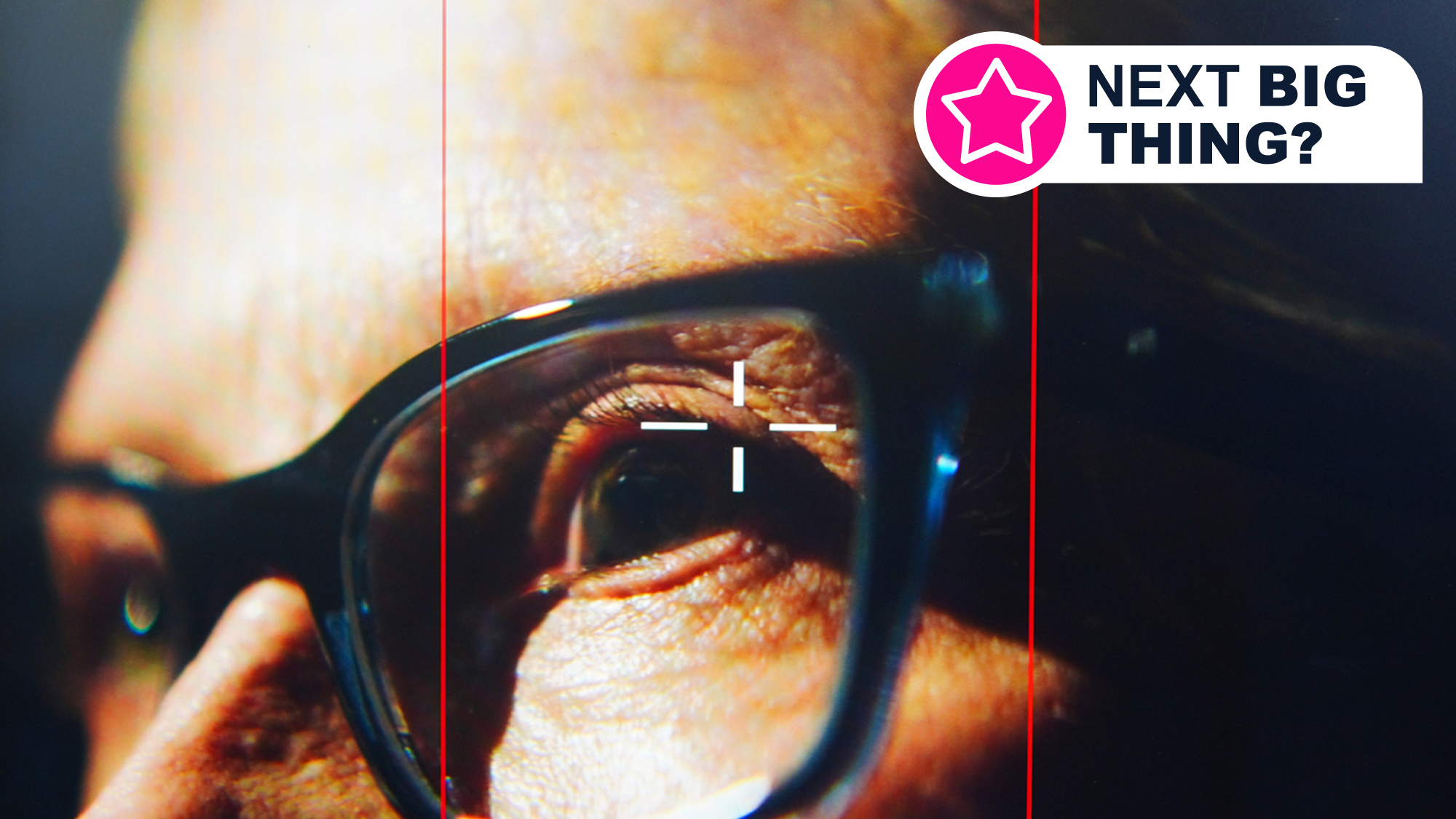
Understanding Presbyopia: The Universal Blur
Presbyopia is a near-universal vision condition that affects almost everyone as they reach middle age. It's not a disease, but rather a natural evolution of the eye's function that changes how you see things up close.
Presbyopia Symptoms and Onset: Why Close-Up Vision Fades
The signs of this condition typically begin to appear in your early to mid-40s. You might first notice it as an unconscious habit: holding your phone, a book, or a restaurant menu at arm's length just to see the text clearly. This is a classic indicator that your near vision is starting to fade.
Tasks that were once effortless can become sources of daily frustration. Reading small print on packaging, sending a text message, or working on a computer screen for long periods may now lead to eye strain, headaches, or fatigue. This is your cue to start looking into eyeglasses for age-related vision.
This frustration often drives people to search for effective presbyopia symptoms and solutions. When this issue impacts outdoor activities like reading by the pool or checking your phone in bright sunlight, finding the best bifocal sunglasses becomes a top priority. A quality pair, such as these SHINU retro polarized sunglasses, can merge essential UV protection with a hidden magnification area, solving two problems at once and serving as one of the best reading glasses alternatives for an active lifestyle.
The Physiological Basis: Less Flexible Lenses and Slower Focus
The root cause of presbyopia is not an illness but a completely natural part of the aging process. Deep inside your eye, the crystalline lens, which is responsible for flexing to focus light onto the retina, gradually hardens and loses its elasticity over time.
This stiffening is compounded by another age-related change: a slower focusing mechanism. Research indicates that the human eye's ability to shift focus can slow to around 0.4 seconds. This delay is what creates that feeling of sluggishness and strain when you try to quickly switch your gaze from a distant object to something close up.
This physical change is precisely why many people require corrective eyewear. While simple readers can help, those who already wear glasses for distance vision often need more advanced types of multifocal lenses. To effectively manage vision at all distances, exploring a range of magnification eyeglasses can help you find a tailored solution for your specific needs.
Ultimately, proven solutions like glasses with bifocals offer a clear and reliable way to compensate for the focusing limitations caused by the aging eye. By providing distinct, separate zones for near and distance vision, these dual-power lenses do the work that your eye's natural lens no longer can.
【Traditional Solutions: Understanding Glasses with Bifocals】

What Are Glasses with Bifocals?
Dual-Zone Design for Clear Vision
For those who struggle with both distance and near vision, the answer is often yes. Traditional glasses with bifocals are engineered with a straightforward yet highly effective design. The lenses are precisely divided into two distinct optical zones: a larger, upper section for seeing distant objects clearly and a smaller, lower segment for focusing on near-detail work like reading.
This dual-power lens design means users must consciously shift their gaze, looking through the top of the lens to see across the room and dropping their eyes to the bottom segment to read a text message. This deliberate action allows one pair of glasses to do the job of two.
Bifocal Glasses Drawbacks and Adjustment Period
Despite their utility, bifocals come with known challenges. The most significant of the bifocal glasses drawbacks is the adjustment period. New wearers often experience a learning curve as they train their brains to use the two zones correctly. This can lead to unnatural head tilts to find the right viewing angle or peering over the rims.
This adjustment can be frustrating, for example, when you find yourself tilting your head down awkwardly just to read a menu. The distinct line between the two prescriptions can also create an "image jump," which can be disorienting. However, for many, these are minor hurdles. If you're exploring your options, starting with a variety of cheap reading glasses can help you understand what magnification you need before committing to a more complex multifocal lens.
Evolving Designs: From Bifocals to Progressive Lenses
Benefits of Progressive Lenses: Smoothing the Transition
As lens technology has advanced, progressive lenses have emerged as a popular alternative. The primary benefit of these lenses is the elimination of the visible line found on bifocals. They offer a gradual, seamless transition of power from the top (distance) to the bottom (near) of the lens.
While this provides a more natural viewing experience and aesthetic, progressives are not without their own learning curve. They still possess specific "focal sweet spots" that require precise eye movement to access clear vision at different distances. The choice in the Bifocals vs progressive lenses debate often comes down to personal preference and visual comfort.
Types of Multifocal Lenses Beyond Basic Bifocals
The world of multifocal eyewear extends beyond simple bifocals. The main types of multifocal lenses include bifocals (two powers), trifocals (three powers: distance, intermediate, and near), and the aforementioned progressive lenses.
The need for effective multifocal solutions is not new. Historically, even the military recognized the limitations of single-vision glasses. The introduction of the 5A-M frame was specifically to accommodate bifocal and trifocal prescriptions, directly addressing the depth perception challenges soldiers faced with older eyewear designs.
Specialized Bifocal Glasses: The Case of Sunglasses
Best Bifocal Sunglasses for Active Lifestyles
One of the most practical innovations in bifocal technology is the integration into sunglasses. Finding the best bifocal sunglasses means you no longer have to choose between protecting your eyes from the sun and being able to read outdoors. These glasses combine stylish, protective sunglass lenses with a discreet, built-in reading segment.
A prime example is seen in sports-specific designs, like the GB Viz VIGO bi-focal sports sunglasses, which are lightweight at just 38g and offer 100% UV protection. For those seeking a blend of classic style and modern function for 2025, a pair like the SHINU brand retro vinatge sunglasses for men 2024 polarized sunglasses men in large size luxury designer sunglasses C3 brown-brown-multi is an ideal solution. Clicking the link lets you see how these sunglasses solve the problem by merging high-quality polarization and UV protection with a hidden reader, perfect for an active lifestyle.
Practical Benefits: From Cycling Computers to Cafe Menus
The practical benefits of bifocal sunglasses are immense. They serve as one of the best reading glasses alternatives for anyone who spends time outdoors. A cyclist can glance down to clearly read their GPS display or computer without swapping glasses. After the ride, they can sit at a cafe and read the menu without fumbling for a separate pair of readers.
This convenience eliminates a common frustration, streamlining your gear and allowing you to focus on your activity. It’s a simple solution that directly addresses the challenges of presbyopia symptoms and solutions in a real-world, dynamic setting.
【Beyond Bifocals: Exploring Innovative Alternatives】
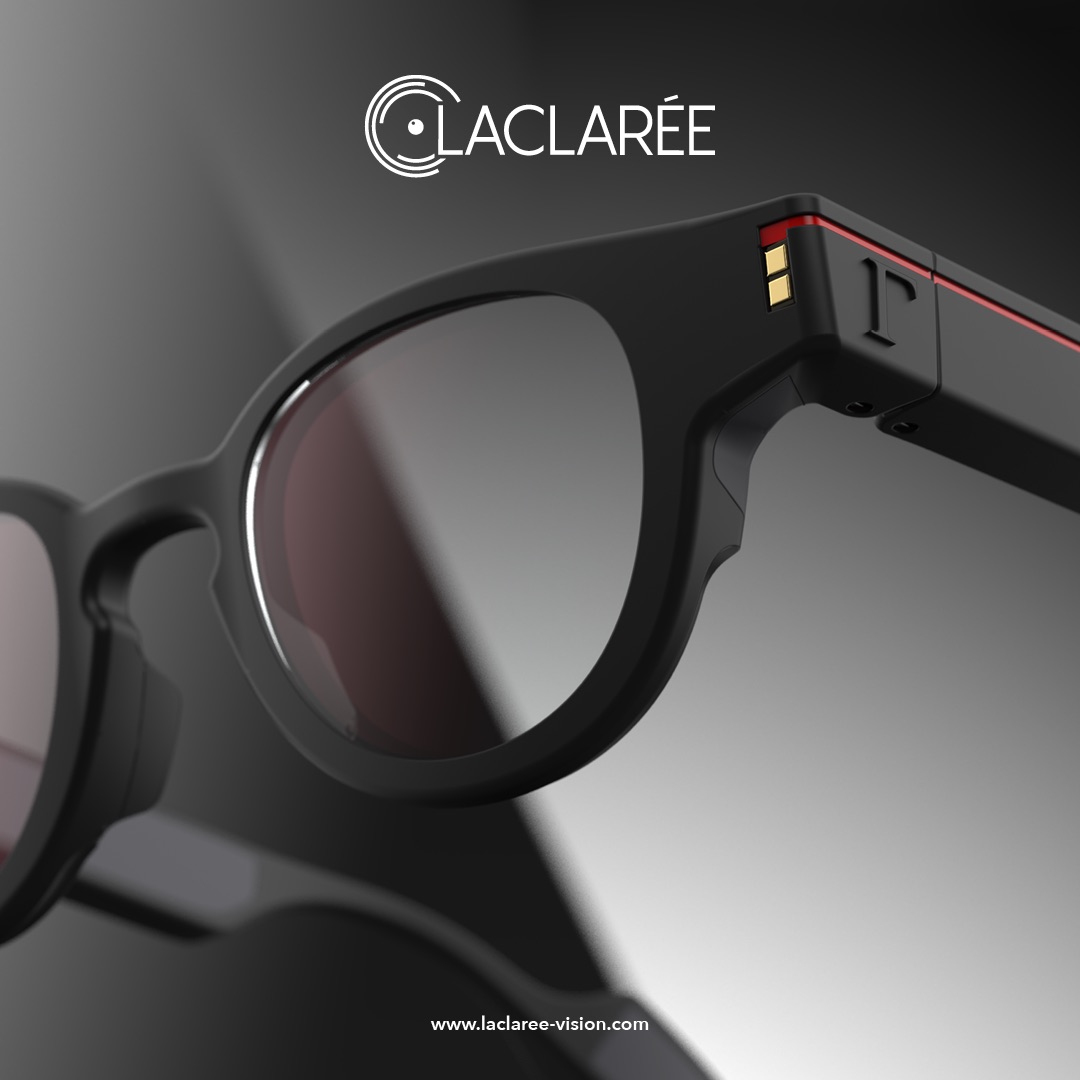
Revolutionary Smart Eyewear: Autofocus Glasses
How Do Autofocus Glasses Work? Eye Tracking and Liquid Crystal Lenses
The next frontier in vision correction is moving beyond the static zones of traditional **glasses with bifocals**. Emerging technology aims to create a dynamic, adaptive viewing experience. At the forefront is a Finnish startup, IXI, which is developing smart eyewear using adaptive optics.
These innovative glasses are built with tiny, sophisticated sensors that precisely track your eye movements. This data is instantly fed to lenses made with **liquid crystal lenses technology**. These lenses can rapidly adjust their focus in just 0.2 seconds—even faster than the natural focusing ability of the human eye. This eliminates the need to manually shift your gaze between different lens sections.
The Promise of Adaptive Lenses for Presbyopia
The core promise of this technology is to provide perfect, continuous focus, addressing one of the main **bifocal glasses drawbacks**: the disorienting "image jump." These **adaptive lenses for presbyopia** are designed to look and feel just like normal glasses, with all the complex electronics miniaturized to fit neatly within standard frames.
This field is highly competitive, with rival ventures like Laclarée and Elcyo also pioneering similar vision correction technologies. This race to innovate signals a major shift away from traditional multifocal eyewear towards truly intelligent vision solutions.
Novel Vision Correction Technology: Eye Drops for Farsightedness
First-Ever FDA Approved Eye Drops for Presbyopia Solutions
Another groundbreaking development offers an alternative that does away with glasses entirely. In October 2021, the FDA approved Vuity (pilocarpine HCI ophthalmic solution 1.25%), the first-ever **eye drops for farsightedness** caused by presbyopia.
These drops are specifically designed for people in their 40s and 50s who are starting to struggle with close-up vision but still have good distance sight. It presents a novel choice for those just beginning to face **presbyopia symptoms and solutions**, potentially delaying the need for their first pair of reading glasses or bifocals.
Limitations and Considerations for Eye Drops
While promising, this solution has its limitations. The drops must be applied daily to remain effective. Furthermore, with an estimated cost of $80 per month, they are not typically covered by health insurance, making them a significant ongoing expense.
Clinical trials for Vuity involved 750 participants aged 40 to 55 and showed statistically significant vision improvement. However, for individuals who find the daily regimen or cost prohibitive, proven and affordable options remain superior. A wide selection of effective 1.75 reading glasses, for example, can provide immediate clarity for near tasks without the recurring expense or need for a prescription.
Other Future of Vision Correction Technologies
Smart Eyewear for Vision Correction and Eye Tracking Glasses
The **future of vision correction** is rich with possibilities that extend beyond simple magnification. Ongoing research is focused on advanced **smart eyewear for vision correction** and even prototypes for **bifocal contact lenses**, offering discreet multifocal solutions.
Technologies like Microsoft's eye-tracking for writing are a testament to the broader applications of this science. As **eye tracking glasses** become more sophisticated, they will not only correct vision but also interact with our digital world in new ways, representing a huge leap from today's multifocal lenses.
Innovative Reading Glasses Alternatives
Ultimately, the development of adaptive lenses represents one of the most significant **reading glasses alternatives** on the horizon. The primary goal is to replace the need for separate pairs of reading glasses, distance lenses, and even **glasses with bifocals** with a single, versatile, and intelligent pair of eyeglasses.
While we anticipate these advancements for 2025 and beyond, today's best solutions often merge high performance with timeless style. A perfect example is the SHINU brand retro vinatge sunglasses for men 2024 polarized sunglasses men in large size luxury designer sunglasses C3 brown-brown-multi. Visiting the link shows you how they solve a common problem by cleverly integrating a powerful reading segment into stylish polarized sunglasses, offering a practical and elegant solution that bridges the gap between current needs and future technology.
【Choosing Your Path to Clear Vision: A Comparison Guide】

Are Bifocals Necessary? Evaluating Your Vision Needs
Understanding Presbyopia Symptoms and Solutions Overview
The first step in choosing the right vision correction is to honestly assess your needs. **Are bifocals necessary?** The answer depends entirely on your lifestyle and the specific vision challenges you face. If you find yourself constantly switching between different pairs of glasses for reading and driving, or holding menus at arm's length, you are experiencing classic **presbyopia symptoms and solutions** need to be considered.
Think about your daily routine. Do you need clear vision for both near tasks, like reading a text message, and distant objects, like a road sign, in quick succession? If the answer is yes, then a single pair of multi-focal eyeglasses, such as **glasses with bifocals**, could dramatically simplify your life by consolidating your vision needs into one frame.
Bifocals vs Progressive Lenses: Which is Right for You?
Seamless Transition vs. Distinct Fields of View
When considering multifocal lenses, the primary debate is often **Bifocals vs progressive lenses**. Traditional bifocals have two distinct sections: a larger area for distance vision and a smaller, visible segment at the bottom for near vision. This provides very clear, defined fields of view but can require conscious head repositioning and an adjustment period to the "image jump" between zones.
Progressive lenses, another type of multifocal eyewear, offer a seamless, gradual transition between near, intermediate, and distance prescriptions without any visible lines. This can feel more natural for many users, eliminating the abrupt shift found in bifocals. If you're exploring the highest quality options for presbyopia, it's worth browsing a curated selection. For instance, exploring a collection of designer reading glasses for men can reveal various modern lens types and frame styles that cater to these specific needs.
Comparing New Technologies: Autofocus Glasses vs. Eye Drops
Benefits and Drawbacks of Adaptive Eyewear
Emerging technologies offer alternatives to traditional eyeglasses. Autofocus glasses represent the pinnacle of **adaptive lenses for presbyopia**, promising continuous, perfect focus by tracking eye movement. However, this **smart eyewear for vision correction** faces significant hurdles, including achieving medical-grade regulatory approval, ensuring the durability of tiny moving parts, and seamlessly integrating battery power.
On the other hand, FDA-approved eye drops offer a solution that completely bypasses eyewear. This is a compelling option for those with mild presbyopia. The main drawbacks are the need for daily application to maintain effectiveness and the ongoing out-of-pocket costs, as they are not typically covered by insurance.
The Future of Vision Correction: Anticipating Smart Eyewear Developments
The Future of Vision Correction: Anticipating Smart Eyewear Developments
The **future of vision correction** is incredibly promising, with significant investment fueling innovation. The $36 million raised by the Finnish startup IXI indicates a strong commercial push towards making **liquid crystal lenses technology** a market reality. This technology is at the heart of the next generation of dual-focus eyeglasses.
Before these advanced autofocus glasses become a common choice, developers must overcome key challenges. Miniaturizing the complex electronics to fit into standard frames and navigating the lengthy regulatory approval process are the primary obstacles standing between these prototypes and widespread consumer availability in 2025 and beyond.
Troubleshooting Bifocal Adjustment and Beyond
Adapting to Bifocal Lenses: Tips and Tricks
**Troubleshooting bifocal adjustment** is a common experience. To adapt more quickly, consciously practice pointing your nose at what you want to see in the distance and dropping your eyes—not your head—to use the near-vision segment for reading. Ensuring your **glasses with bifocals** are properly fitted by an optometrist is also crucial for minimizing discomfort and maximizing effectiveness.
Seeking Advanced Solutions for Age-Related Vision
As technology evolves, so do your options. It's wise to stay informed about the latest **Vision Correction Technology** and explore innovative **Reading Glasses Alternatives**. While we wait for truly adaptive lenses to become mainstream, many modern products already offer brilliant solutions for **eyeglasses for age-related vision**. A fantastic example is a pair that combines sun protection with reading power. If you want to see how modern design solves this exact problem, check out the SHINU brand retro vinatge sunglasses for men 2024 polarized sunglasses men in large size luxury designer sunglasses C3 brown-brown-multi. These glasses cleverly integrate a bifocal reading lens into polarized sunglasses, providing a practical and stylish solution for clear vision in any light.
【Charting Your Course to Clearer Vision】
Navigating the world of vision correction for presbyopia can feel complex, but understanding your options is the key to clarity. This guide has journeyed through the landscape of solutions, from the established reliability of traditional bifocals and the seamless design of progressive lenses to specialized innovations like bifocal sunglasses that merge function with an active lifestyle. We've also peered into the exciting future, exploring groundbreaking technologies like autofocus smart eyewear and prescription eye drops that promise to redefine how we manage age-related vision changes.
The ultimate takeaway is that the perfect solution is personal, depending on your unique visual needs, daily activities, and preferences. While next-generation technologies are on the horizon, highly effective and stylish solutions are available right now. To find a pair that restores your visual freedom without compromising on style, we invite you to explore our curated collection of glasses with bifocals and discover the ideal fit for your life.
``` MjAyNTA4MTAxODE5NDI 当前显示MjAyNTA4MTAxODE5NDI。


Comments
Post a Comment